The EU crypto market has entered a new phase. With Markets in Crypto-Assets Regulation (Micar) now in force and ESMA having issued guidance on staff competence, firms no longer only have to rules and systems and but also on the knowledge and skills of their staff.
Micar is the European Union’s first comprehensive framework for regulating crypto-assets. It brings clarity and consistency to a sector that was previously subject to differing rules across member states. By introducing one shared rulebook, Micar enables firms to operate across the EU more easily while ensuring they meet the same clear and consistent regulatory standards.
Micar entered into force in mid-2023 and started to apply in stages from 2024, with the rules for Crypto-asset service providers (Casps) taking effect on 30 December 2024. Transitional arrangements, which allowed providers to continue operating under national regimes while preparing for Micar authorization, are gradually coming to an end across the EU. As national regulators step up supervision and enforcement, Micar is no longer a future requirement but an integral part of firms’ day-to-day operations.
Micar is already being supervised across the EU. However, enforcement is being introduced gradually. While supervision and licensing are already underway, firms have benefited from transitional arrangements that allowed them to adapt to the new rules while continuing to operate under national regulatory frameworks.
This transition period is now coming to an end. From July 1 2026 onwards, only fully authorized Casps will be allowed to operate, marking the start of a new phase of regulatory enforcement. National supervisors will have the power to take action against non-compliant firms, including restricting or halting their operations. This means that Micar is already being applied in practice. The remaining transitional arrangements are coming to an end, paving the way for full enforcement across the EU.
Under Micar, a Casp is any firm that offers one or more services such as custody of crypto-assets, trading platforms, exchange services, executing orders, or giving advice. The definition is broad, bringing many firms into a formal regulatory framework for the first time.
At the same time, the European Securities and Markets Authority (ESMA) has issued guidelines on the knowledge and competence of staff working at Casps. The objective is to ensure that employees understand the products they deal with, the risks involved, and the regulatory requirements they must comply with. This reflects a broader regulatory principle: rules are only effective when the people responsible for applying them have the knowledge and expertise to do so.
The parallels with the Mifid II framework, EU rules aimed at better protecting investors in traditional finance, are clear. Under Mifid II, staff who provide information or advice to clients must meet defined competence standards. ESMA applies a similar approach to the crypto sector, signaling that firms are expected to meet the same standards as their counterparts in the traditional finance.
An important point in the guidelines is the distinction between providing information and giving advice. Providing information means explaining how a product works or what risks it carries, without recommending a specific action. Giving advice means suggesting that a client should buy, sell, or hold a particular crypto asset. This difference is important because it affects the level of knowledge required.
Staff who give advice are held to a higher standard. They are required to have a deeper understanding of crypto assets, risk, and client needs. They must be able to judge whether a specific product is suitable for a specific client. Staff who provide information also need to be well informed, but expectations are lower. In practice, the line between information and advice is not always clear-cut, making it essential for firms to define roles carefully.
The ESMA guidelines set out core expectations. Staff should have a solid understanding of crypto assets, how markets work, the risks involved, and relevant rules. Firms are also expected to supervise their staff, especially those who are less experienced.
Continuous professional development (CPD) is another key requirement. The crypto sector changes quickly, so staff need regular training to stay up-to-date. One-time learning is not enough. Firms should have ongoing training programs that reflect new developments in the market and regulation.
Firms must also carry out annual reviews of staff competence, including assessing if employees still meet the required standards. Reviews should be supported by clear internal policies and proper record-keeping. Keeping records of training, assessments, and outcomes is important, as regulators may ask to see this evidence.
It is important to note that ESMA’s guidelines are not directly binding law for firms in the same way as Micar does. However, they are still highly relevant. National regulators are expected to incorporate the guidelines into their supervisory approach, meaning that the standards described in the guidelines are likely to become the benchmark against which firms are assessed.
For Casps and their employees, the message is clear: it is important to act early. Firms should assess whether their staff have the right level of knowledge, whether training programs are in place, and whether roles are clearly defined. They should also be able to demonstrate evidence of these efforts.
In conclusion, Micar and ESMA’s guidelines mark an important step in the development of the EU crypto market. The focus is not only on rules, but also on people. Staff competence is becoming a central part of compliance. Firms that prepare early will be better placed to meet regulatory expectations and to build trust in a more structured market.
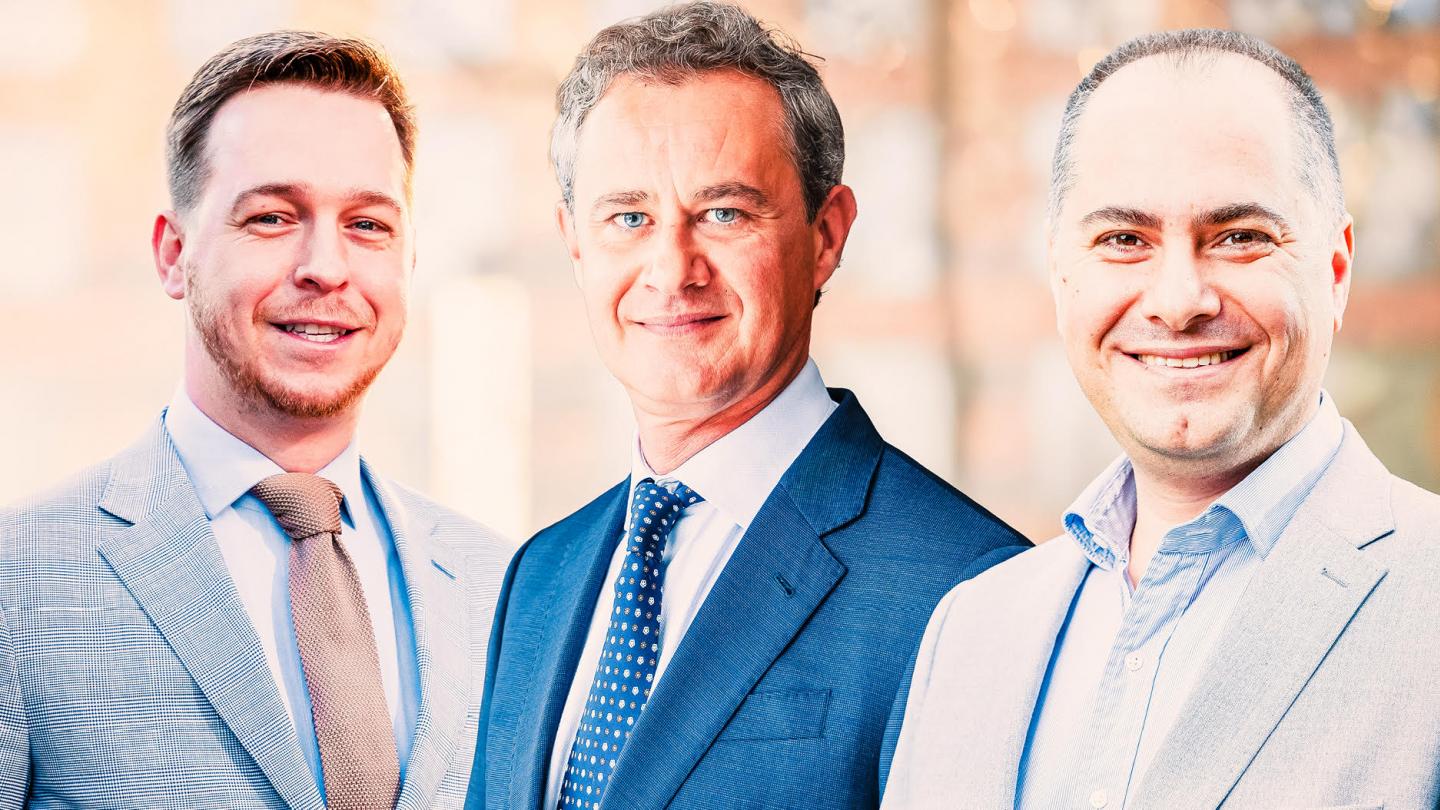
Mauro Lorenzo Halve is chairman at the Dutch Crypto Industry Association (VBNL) and board member at 2Tokens. Andrej Antonijevic, CFA, is education coordinator at the CFA Society Netherlands. Dr. Amir Moradi is lead researcher at HAN International School of Business and chair of the Crypto Assets Committee of the CFA Society Netherlands. CFA Society Netherlandsis a member of the Investment Officer expertpanel.